
Oops! Something went wrong while submitting the form.
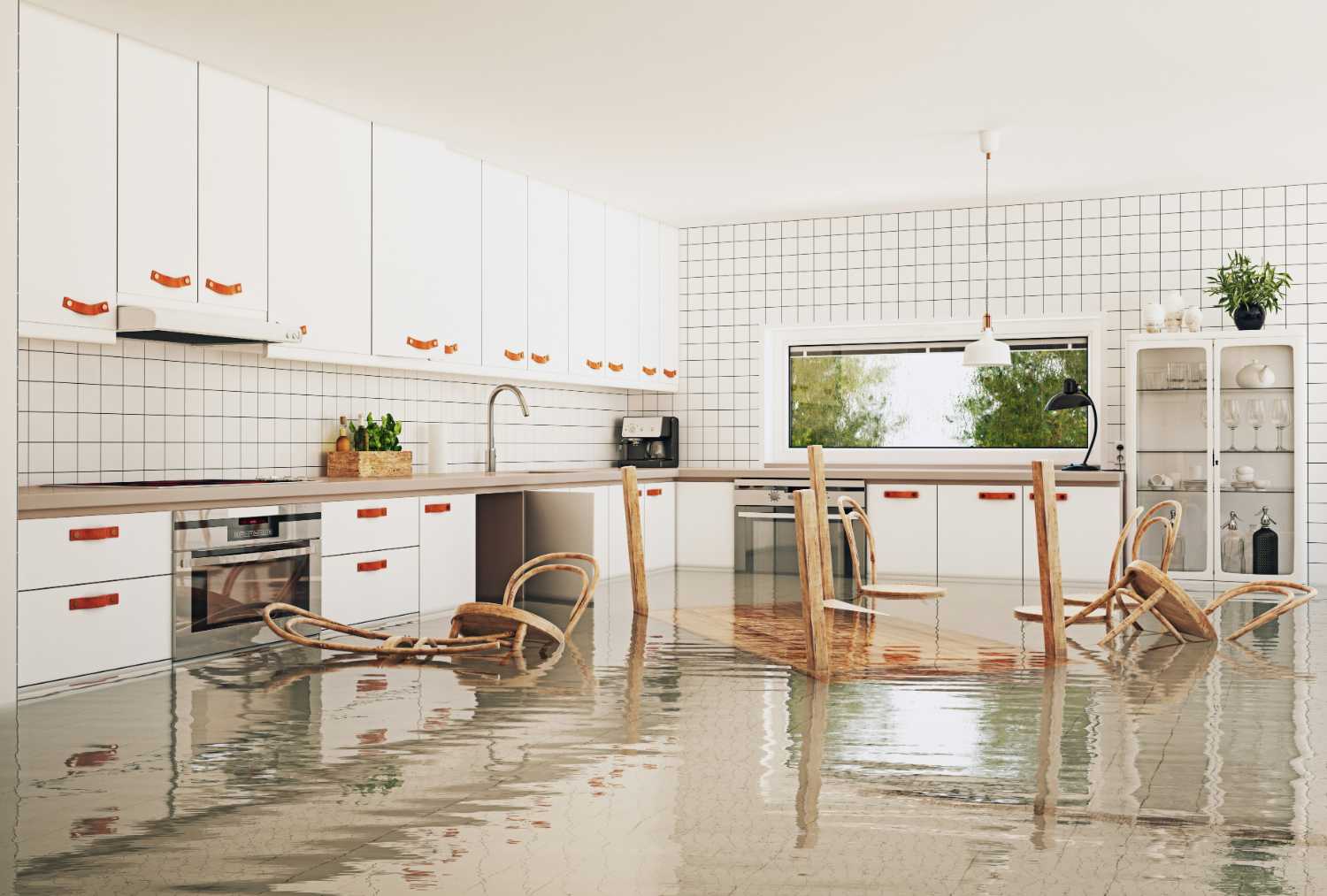
Discover how Quensus leak prevention systems stop water damage before it happens. Learn about real-time monitoring, automatic shut-off, compliance, and cost-saving solutions.
Enquire TodayDownload The Brochure


Water damage is one of the most costly and disruptive risks facing buildings. While traditional leak detection focuses on identifying problems after they occur, the market is moving towards proactive leak prevention, driven by insurer expectations, sustainability targets, and stricter operational risk requirements.
Quensus is leading that shift. Our technology does not just alert you to abnormal water activity, it helps stop incidents before they escalate into damage, downtime, and claims.
Leak prevention and leak detection are not the same thing, and the difference is massive.
In most buildings, leak detection is what happens once you already know there is a problem. A ceiling stains, a tenant reports water, a bill spikes, or a plant room alarm goes off. Only then does the process begin: locate the source, confirm what is leaking, and manage the fallout. By that stage, damage can already be spreading and the response is inevitably reactive.
Leak prevention is designed to stop that situation developing. Intelligent IOT Prevention systems continuously monitor water behaviour, identify abnormal patterns early, and intervene to limit escalation. With automated isolation and real-time alerts, leaks become controlled incidents rather than costly surprises.
This shift is not only technological, it is strategic. Insurers are increasingly prioritising risk reduction over claims management. Sustainability standards demand more responsible water use. And building operators need predictable control, not disruption on someone else’s timetable.
Imagine a warning beep when water is flooding a plant room or apartment, but nobody’s there to hear it. During a PhD in engineering, my goal was to create, not just a flood alarm, but a complete flood prevention system that acted autonomously, averting disasters without the need for human intervention. - Dr Daniel Simmons, Director of Quensus.
Cost avoidance: preventing the expensive part of water damage
The true cost of a leak is rarely the water itself. It is the damage that follows: saturated finishes, ruined floors and ceilings, electrical faults, mould risk, tenant disruption, emergency callouts, and the time it takes to dry out and reinstate a space. In multi-occupancy and complex buildings, a single incident can affect multiple areas and multiple stakeholders, multiplying the cost and the disruption.
LeakNet is designed to prevent that expensive phase from happening. By identifying abnormal water behaviour early and enabling rapid intervention, the system reduces the two factors that drive cost escalation:
This is why leak prevention is not a “nice to have”. It is a direct cost control measure. Instead of discovering a leak once damage has already occurred, teams can act while the situation is still manageable, often before water reaches finishes or affects occupied areas.
In practice, that means fewer emergency responses, fewer reinstatement projects, fewer tenant complaints, and far fewer incidents that become large, unpredictable expenses.
You can learn more about the costs of water leaks here.
Insurance alignment
Escape of water remains one of the most disruptive and costly loss types for property owners and insurers because it rarely stays small. The commercial impact is not only repair cost, it is also decanting, business interruption, programme delays, and the knock-on effect of repeat incidents.
Leak prevention improves the risk profile in the two ways risk managers care about most: frequency and severity. Early identification of abnormal usage reduces the number of incidents that reach a claimable threshold, while isolation capability limits how far an event can travel and how long it can run. Over time, that means fewer large losses, fewer repeat callouts, and a clearer, more defensible risk posture.
Just as importantly, prevention creates evidence. When you can show monitoring coverage, event history, response times, and the controls in place across higher-risk zones, conversations with insurers become more structured and more credible. It shifts the narrative from “we had a leak” to “we have active controls and measurable risk management”.
Sustainability and ESG
Water loss is often invisible until it becomes expensive. Dripping valves, failing fixtures, and small pipework faults can run for weeks or months without triggering urgent attention, especially in plant rooms, risers, voids, and unoccupied areas. That is where waste adds up.
Leak prevention supports sustainability because it is fundamentally about resource efficiency. Continuous monitoring makes abnormal consumption visible early, so issues can be investigated before they become long-running losses. Isolation and zoning also reduce the tendency for small faults to escalate into high-waste events, protecting both the building and the resource.
From an ESG perspective, this is measurable. Prevention systems provide data that can be used to demonstrate responsible water management, highlight where consumption is occurring, and evidence improvements over time. For organisations under sustainability reporting pressure, or managing large estates, that visibility matters because it turns “we think we are doing the right thing” into “we can prove it”.
Operational resilience
Water incidents rarely stay contained to the technical team. They quickly become an operational issue: disrupted tenants, closed areas, emergency contractors, reputational fallout, and senior stakeholders pulled into reactive decision-making. The direct cost of repair is often only part of the real impact.
Leak prevention reduces operational disruption by giving teams earlier, clearer information and more control. Instead of discovering damage after the fact, you identify abnormal behaviour, isolate the affected zone where needed, and plan the response with certainty. That reduces emergency callouts, avoids repeat incidents, and improves predictability for building users.
Resilience also means consistency. With prevention in place, you can apply the same risk controls across high-risk zones and across multiple buildings, measure performance, and continually improve. It replaces firefighting with structured, repeatable risk management.
Leak prevention is not a nice-to-have. It is a measurable investment in avoided loss.
Water incidents become expensive when they run undetected, spread through a building, and interrupt normal operations. That is why risk reduction is driven by two practical outcomes: spotting abnormal behaviour early, and limiting escalation before water reaches finishes, electrics, or occupied areas.
LeakNet reduces risk by:
For most organisations, the value is clearest in avoided claims, avoided downtime, and reduced disruption, alongside stronger insurer confidence. It is not only about avoiding repair invoices, it is also about preventing the wider commercial impact that comes with water damage: tenant complaints, emergency call-outs, reinstatement programmes, and the long-term insurance consequences of repeat incidents.
You can also see how Quensus LeakNet competes against the market here.
Leak prevention supports compliance objectives wherever water risk management, monitoring, and documented controls are required or strongly beneficial. In practice, this means moving beyond ad hoc maintenance responses and into measurable governance: clear monitoring coverage, defined escalation routes, and a reliable record of events and actions taken.
For example, BREEAM WAT03 focuses on responsible water management through effective leak detection and prevention. The emphasis is not simply “having an alarm”, but demonstrating that the building can monitor water behaviour, identify abnormal conditions, and mitigate risk in a way that is appropriate to how the building is used. Prevention-led systems strengthen this because they combine continuous monitoring, actionable alerts, and risk reduction infrastructure that limits escalation, which helps design teams and operators evidence proactive control during assessment and throughout operation.
Compliance also does not stop at sustainability frameworks. Insurer guidance and best-practice standards increasingly treat escape-of-water exposure as a managed risk, particularly in high-risk environments such as high-rise, refurbishment, and construction phases. This is why a prevention approach is valuable as a standard operating control: it reduces the likelihood of unmanaged incidents, improves response consistency, and provides audit-ready reporting that supports internal governance and external scrutiny.
The wider direction of travel is clear. Building operators are expected to demonstrate predictable control over disruption and loss, while insurers favour evidence-led risk mitigation over reactive claims management. Leak prevention fits this shift because it turns water risk into something that can be monitored, managed, and verified, not simply repaired after the damage is visible.
Leak detection confirms a problem.
Leak prevention reduces the likelihood of problems occurring and limits escalation when abnormal behaviour appears.
Quensus helps organisations move beyond reactive response and into intelligent, automated water risk management, protecting buildings, operations, and insurance outcomes.
Request a quote to receive an initial configuration and indicative pricing for your building type and risk profile.

Up to 7 credits for reducing water usage per person per day compared against a baseline performance. For example, use water-saving WCs, tap aerators, low-flow showers, waterless urinals, and greywater/rainwater for recycling non-potable water.
Our expertise in smart water metering and data analytics allows us to monitor and analyse water consumption patterns, providing valuable insights to identify water-saving opportunities and track progress towards reduction targets.
Installing our device on the main meter earns you 4 points.
Sub-metering building areas consuming 10% or more of the building's total water demand, or metering multi-tenant buildings per tenanted area, achieves an additional 2 credits.
Up to 4 credits (each) are available based on the water efficiency of the following assets to reduce overall water consumption in the building:
WAT02 - Water-efficient equipment: toilets
WAT03 - Water-efficient equipment: urinals
WAT04 - Water-efficient equipment: hand washing basins
WAT05 - Water-efficient equipment: showers
WAT06 - Water-efficient equipment: white goods
Our experience in specifying and installing water-efficient fixtures can help building owners select and implement the most appropriate solutions to achieve significant water savings.
Up to 4 credits for installing a robust leak detection system, which plays a vital role in conserving water resources. By promptly identifying and addressing leaks, buildings can significantly reduce water wastage, contributing to a more sustainable water footprint. 1 credit has traditionally been given for a leak detection system that can detect a major water leak on the mains water supply within the building and/or between the building and the utilities water meter.
Our advanced leak detection technology, including smart metering and real-time monitoring, can quickly identify and locate leaks, enabling prompt repairs and minimising water wastage, potentially enabling you to achieve the full 4 credits after a complete calendar year.
Up to 4 credits for proactive measures to prevent leaks. Proper installation and maintenance of flow control devices, whether in sanitary fittings or larger residential complexes, are essential for minimising water loss and ensuring the longevity of plumbing systems.
Our LeakNet system goes beyond traditional leak prevention methods. With AI-powered monitoring, real-time alerts, and automatic shut-off capabilities, LeakNet actively identifies and stops leaks before they cause significant damage or water wastage. This proactive approach aligns perfectly with the BREEAM focus on minimising water loss and ensuring the longevity of plumbing systems.
Up to 4 credits can be awarded depending on the extent and effectiveness of the isolation valve strategy within the building's water supply system, which allows controlled shut-off of specific sections of the water supply, enabling targeted maintenance or repairs without disrupting the entire system. 1 credit has traditionally been given for installing a flow control device to each WC area/facility so that water is only supplied when needed.
Our smart shut-off valves seamlessly integrate into any plumbing system, providing the isolation capabilities necessary for targeted maintenance and repairs.
This not only meets the traditional BREEAM requirement for isolation valves but also enhances it with intelligent control and automation.
By enabling quick and precise shut-off of specific sections, LeakNet minimises disruption and water wastage during maintenance activities, maximizing the potential for achieving up to 4 credits.
The automatic shut-off functionality also serves as an innovative flow control device, securing an additional credit for controlling water supply to WC areas.
Up to 4 credits for using alternative water sources and efficient water-using technologies. Rainwater harvesting, greywater recycling, and the use of water-efficient fixtures are examples of strategies that can substantially decrease reliance on mains water supply.
While we don't directly address alternative water sources, LeakNet's ability to dramatically reduce water wastage through automatic shutoff and leak prevention contributes to lowering mains water consumption.
By minimising unnecessary water loss, LeakNet supports the overarching goal of WAT10, contributing to achieving the maximum credits available.
Up to 4 credits for accurate monitoring and reporting of water consumption data, which is fundamental to effective water management. By tracking consumption patterns, building owners and operators can identify areas for improvement and implement targeted water-saving measures. This will include internal sub-meters to monitor the impacts of inefficiencies and leakage and encourage more effective water management.
Our smart metering and data analytics capabilities can provide detailed insights into water consumption patterns, facilitating the identification of inefficiencies and enabling targeted water-saving interventions.
Up to 4 credits for re-using water for non-potable purposes, such as irrigation or toilet flushing, reduces the demand on treated water supplies. This credit promotes innovative solutions for sustainable water sourcing.
Our experience in monitoring water recycling systems, such as greywater and rainwater harvesting solutions, can help track inefficiencies in these systems and maximise the reuse of water to reduce environmental impact.
Up to 4 credits for standardised reporting of water consumption, benchmarking, and comparison across different buildings and portfolios. This transparency encourages continuous improvement in water efficiency and supports informed decision-making.
Obtain 2 credits by using our data management and reporting tools to automate the collection, analysis, and reporting of water consumption data, providing clear and actionable insights to support decision-making.
Earn 1 extra credit when you report on it internally, and another credit if you publish this information in an annual report.
A comprehensive water strategy goes beyond individual measures by establishing a holistic approach to water management. It includes regular maintenance of water systems, water efficiency, water reuse, and leak detection. The strategy should also include a plan for monitoring and reporting water consumption ensuring optimal performance and longevity, as well as promoting awareness and behavioral changes among building occupants to foster a water-conscious culture.
Up to 8 credits are available depending on the comprehensiveness of the water strategy and the inclusion of specific elements such as:
A proactive maintenance policy for installed water systems
Targets for reducing water consumption
A plan for monitoring and reporting water consumption
A plan for engaging building occupants in water conservation efforts
Our holistic approach to water management and expertise in water efficiency, reuse, and leak detection can help building owners develop and implement comprehensive water strategies that achieve long-term sustainability and cost savings.
Every building’s risk profile and budget differ. Unlike one-size-fits-all systems, Quensus engineers a bespoke leak-detection solution around your insurer’s requirements and cost constraints - saving you thousands in wasted water and premiums. There is unlimited number of options, but we have simplified leak prevention into our four main tiers:


A combination of bronze, silver and gold will provide the most effective leak prevention system available.

Automatic Flow Monitoring with Smart Shutoff Valves on the boosted supply to each unit/apartment. The most effective solution post-handover over the lifetime of the building.


Automatic Flow Monitoring with Smart Shutoff Valves on the boosted supply to each floor (or each riser if plumbing is vertically fed). Ideal during construction because each floor can be isolated individually.


The absolute minimum you should be looking for is Automatic Flow Monitoring on the Mains Cold Water System and Boosted Cold Water System for the whole building. This is covered in the BREEAM WAT03 standard.
Got questions? Ask us!
We’re your H2O Heroes! Choosing the right water management solution can be tricky, but our friendly team is here to help.
We’ve compiled the top FAQs for quick answers - Read FAQ.

What is a leak prevention system?
A leak prevention system continuously monitors water behaviour across a building and identifies abnormal usage early. Where configured, it can automatically isolate the affected zone to limit escalation. The goal is to stop a leak from becoming water damage, disruption, and an insurance event.
How is leak prevention different from leak detection?
In most buildings, leak detection is what happens once you already know there is a problem and you then need to find the source. Leak prevention focuses on early warning and control, using monitoring and isolation so incidents are contained before they spread.
Can LeakNet be retrofitted in an occupied building?
Yes. LeakNet is designed for retrofit as well as new build. Installation is typically planned around access to risers, plant rooms, and key distribution points so disruption can be minimised.
Does a leak prevention system shut off all water to the building?
Not necessarily. LeakNet can be configured with zone-level isolation so only the affected area is isolated, keeping the rest of the building operational. Whole-building isolation is possible where the risk profile requires it, but most sites benefit from zoned control.
How does LeakNet avoid unnecessary shut-offs?
LeakNet uses monitored behaviour and configured thresholds to identify abnormal patterns, not just a single trigger. Shut-off is optional and can be applied only to priority zones, with rules designed around how the building normally uses water.
What types of issues can LeakNet identify early?
LeakNet can highlight abnormal patterns such as continuous flow, unexpected out-of-hours usage, unusual spikes, and long-running low-level losses. These are common early indicators of developing faults, failing valves, or fixtures leaking silently.
What areas of a building should be monitored?
High-risk areas typically include plant rooms, risers, boosted water systems, vacant or unoccupied areas, landlord supplies, and zones serving high-value finishes. Monitoring design is based on how water is distributed and where escalation would be most costly.
What alerts do we get when something changes?
Alerts can be delivered via app and email, and can also be integrated into building systems where required. Alerts are designed to reach the right people quickly so incidents can be assessed and contained earlier.
What reporting does LeakNet provide?
LeakNet provides event logging and reporting that records abnormal events, timings, and system actions. This supports internal governance, compliance reporting, and more structured insurer discussions. You can discover the power of FlowReporter here.
Does leak prevention support BREEAM and compliance requirements?
Leak prevention supports compliance objectives where monitoring and water risk management are required or strongly beneficial. For example, BREEAM WAT03 prioritises responsible water management, monitoring, and mitigation. Prevention-led systems help demonstrate proactive control through continuous monitoring, alerts, and risk reduction infrastructure.
What maintenance is required?
Maintenance requirements are low overhead and depend on system configuration and site conditions. As with any building control system, the focus is on ensuring monitoring coverage remains effective and any isolation components are kept operational.
Is leak prevention only for large commercial buildings?
No. Leak prevention can be deployed proportionately around risk. It is valuable in high-rise residential, schools, leisure and hospitality, and high-value residential properties, as well as large commercial estates. You can see some of our case studies here.
How quickly can LeakNet be installed?
Timeframes vary based on building size, access, and zoning design. Most projects begin with a risk review and a proposed configuration so installation can be planned with minimal disruption.
How do we get an indicative configuration and price?
Request a quote and the team will provide an initial configuration recommendation based on your building type, water distribution, and risk profile, alongside indicative pricing.

Quensus Ltd
Company Number: 09530781
VAT Number: GB251797479
Head Office
Strelley Hall, Nottingham,
England, NG8 6PE
Sign up for the easiest way to stay in touch.


